

How Regular Maintenance Ensures Your Fire Dampers Perform During Emergencies
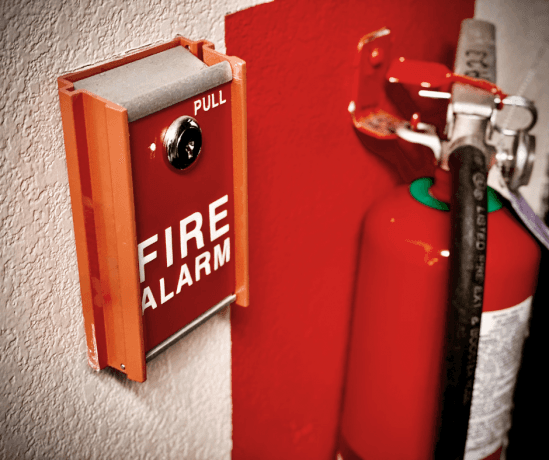
Fire safety systems protect a building when it matters most, and among these systems, fire dampers are essential for stopping flames and smoke from spreading through ductwork. Their reliability becomes even more critical when discussing fire damper testing maintenance, because a device that is not regularly inspected can fail during an emergency. Fire dampers respond automatically to rising temperatures, closing off air pathways and maintaining safe fire-resistant zones. However, their ability to function correctly depends entirely on consistent maintenance and testing. Without proper care, even a well-installed fire damper can become obstructed or damaged over time, leaving a building vulnerable when every second counts.
Why Fire Dampers Need Consistent Attention
Fire dampers are mechanical devices, and like any component that relies on moving parts, they are vulnerable to wear, corrosion, dirt buildup, and mechanical faults. Over time, debris and dust can accumulate within ductwork, which can interfere with damper blades or prevent them from closing fully during an emergency. Additionally, building vibrations, changes in temperature, and general aging can all impact their reliability. Regular maintenance helps identify these issues long before they turn into serious failures. It provides peace of mind that every damper will operate precisely as intended, ensuring that fire separation zones remain effective. With consistent inspections, building owners can also adhere to legal requirements and avoid costly penalties associated with neglected safety systems.
Understanding How Maintenance Protects Building Safety
Routine maintenance does more than ensure that fire dampers are operational; it contributes to the overall stability of a building's fire-resistance strategy. During a fire, the main purpose of a damper is to isolate areas by automatically closing when exposed to high temperatures. If that movement is obstructed, the damper loses its effectiveness, allowing fire and smoke to move freely through ducts. Maintenance technicians examine the damper's condition, check the fusible links, confirm that blades open and close without restriction, and ensure the surrounding ductwork is secure. This proactive approach keeps the entire fire safety network cohesive and dependable. By maintaining the damper's functionality, a building reduces the likelihood of fire spreading unseen through internal cavities, which is one of the most dangerous scenarios in an emergency.
The Role of Professional Inspections in Emergency Preparedness
Professional inspections are critical because they provide an expert assessment that goes beyond surface-level checks. Certified technicians understand the standards governing fire damper testing and know how to identify the early signs of failure. They inspect the mechanisms, test the closure action, and confirm that each component complies with current regulations. They also keep detailed records, which are essential for demonstrating compliance with insurance providers and safety authorities. These inspections ensure that all dampers are ready to respond instantly in an emergency. By investing in professional testing at recommended intervals, building owners can feel confident that their systems have been thoroughly evaluated by specialists who recognize the small issues that untrained eyes may miss.
How Regular Maintenance Reduces Long-Term Costs
Maintaining fire dampers on a scheduled basis is not just a safety measure; it is a cost-effective strategy. Neglecting dampers can lead to more significant mechanical problems or complete system failures that are far more expensive to repair. A damper stuck open, a corroded blade, or a broken fusible link are problems that grow worse over time. Addressing these issues early keeps repair costs lower and extends the lifespan of each unit. Regular maintenance also protects against potential financial losses from safety violations, insurance disputes, or disruptions caused by emergency repairs. When building systems run smoothly and predictably, long-term operational expenses decrease, and owners benefit from a safer environment without unexpected budgetary strains.
Maintenance as a Part of Responsible Building Management
Building managers carry a significant responsibility when it comes to fire safety, and regular fire damper maintenance is a central part of meeting that obligation. A reliable maintenance routine demonstrates a commitment to protecting both occupants and assets. It enhances the credibility of the management team, supports regulatory compliance, and promotes a culture of safety. When fire safety measures are treated as ongoing priorities rather than occasional tasks, buildings operate more efficiently and with greater confidence in their resilience during emergencies. The habit of scheduling inspections, addressing repairs promptly, and keeping documentation organized ensures that every component of the fire protection system is respected and maintained.
Conclusion
Fire dampers are vital components of any fire protection system, and their performance during emergencies depends entirely on consistent care, inspection, and testing. Regular maintenance ensures these devices react instantly when exposed to heat, helping contain fire and smoke at the most critical moment. By committing to scheduled inspections and proactive servicing, building owners strengthen the safety and resilience of their properties. Provent Compliance supports this mission by delivering professional fire damper maintenance that keeps your building protected and prepared when it matters most.